
The Government Department of Health suggests older people are more likely to experience depression due to circumstances like personal loss or poor physical health, and that rates of the disease are higher among those who have physical impairments, dementia cancer, chronic conditions such as arthritis, or are experiencing the effects of a stroke.
According to Beyond Blue, between 10 – 15% of people over the age of 65 experience depression at some point. That figure dramatically increases for people living in residential aged-care facilities to around 35 per cent.
Beyond Blue includes all of the following as possible signs that an older person is suffering from depression:
- General slowing down or restlessness
- Neglect of responsibilities and self-care
- Withdrawing from family and friends
- Decline in day-to-day ability to function, being confused, worried and agitated
- Inability to find pleasure in any activity
- Difficulty getting motivated in the morning
- Sadness, hopelessness or emptiness
- Significant weight loss or gain
The good news is that there are a range of treatments available for those suffering from depression, ranging from psychological treatment to medical treatment. Effective treatments exist for older people and once the right treatment and healthcare professional is found for each individual’s needs, most people do recover.
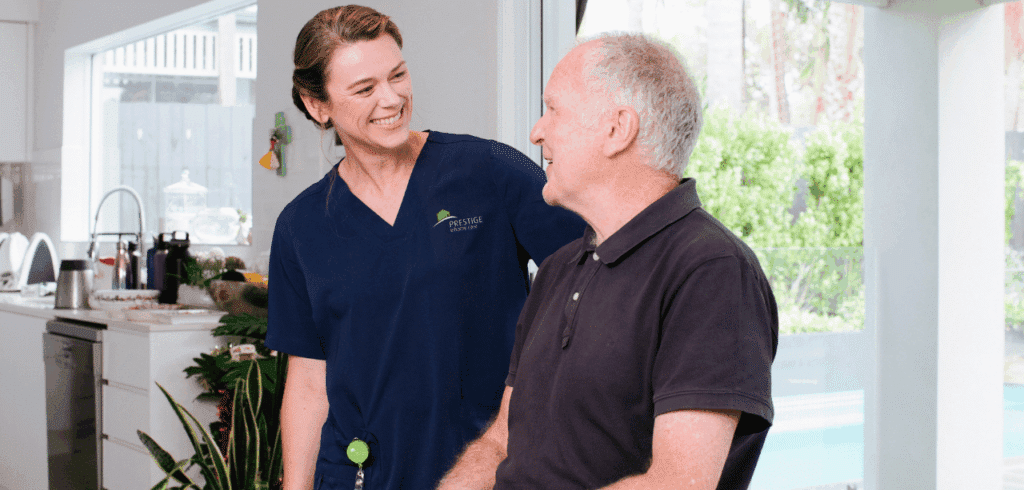
Tips to support your loved one’s mental health as they age
- Begin the conversation – be compassionate, open and patient.
- Ask them how you can help – they may want to go on more social outings or want help around the home.
- Show them you value their opinions – ask them for advice, listen to their ideas and try to understand their perspective.
- Let them be as independent as they can be – balance doing things for them with encouraging them to accomplish tasks independently.
- Check they’re safe – talk with them about getting professional support.
- Facilitate activities that can improve their mental health such as physical activity, time outdoors and exploring their hobbies.
Depression is not only crippling for sufferers in the way it leads to social isolation and a poor quality of life, but it also has extremely negative effects on family members. Caring for a family member with depression is an extremely difficult task. Support services like Beyond Blue provide many resources to make the process easier.
If you or your loved one could benefit from companionship, respite, personal care or domestic assistance to improve mental health, speak to one of our Care Specialists. Call us today on 1300 10 30 10 or contact us online: https://www.prestigeinhomecare.com.au/contact-us/